


In a world that’s more connected than ever, global affairs play a starring role in shaping our daily lives. From trade wars to climate change and everything in between, understanding these dynamics is like trying to solve a Rubik’s Cube blindfolded—challenging yet incredibly rewarding. So why should anyone care? Because global affairs affect everything from the price of your morning coffee to international peace treaties.
Understanding Global Affairs
Global affairs encompass the political, economic, social, and environmental interactions that shape relationships between countries. These interactions define policies, influence trade agreements, and guide responses to global challenges. The intersection of national interests and international cooperation plays a critical role in this complex web.
Trade wars illustrate how economic tensions can affect global relations. When one nation imposes tariffs, the immediate effect often ripples through supply chains, impacting prices and economic health worldwide. Additionally, climate change represents a challenge that transcends borders, requiring collaboration for effective solutions. Global initiatives like the Paris Agreement seek to address environmental concerns through collective action.
International institutions, such as the United Nations and World Trade Organization, facilitate dialogue among nations. They provide platforms for negotiation, fostering cooperation on issues from security to development. These institutions work to ensure that countries can address their unique needs while contributing to global stability.
Events like refugee crises highlight the interconnectedness of global affairs. Humanitarian responses necessitate international support and shared responsibility. The flow of people across borders raises questions about national sovereignty and collective action, emphasizing the importance of diplomatic engagement.
Understanding global affairs requires awareness of both local and international contexts. It involves analyzing how international policies affect domestic situations and vice versa. Awareness empowers individuals to engage with global issues effectively, fostering informed discussions about the future of international relations.
Key Components of Global Affairs
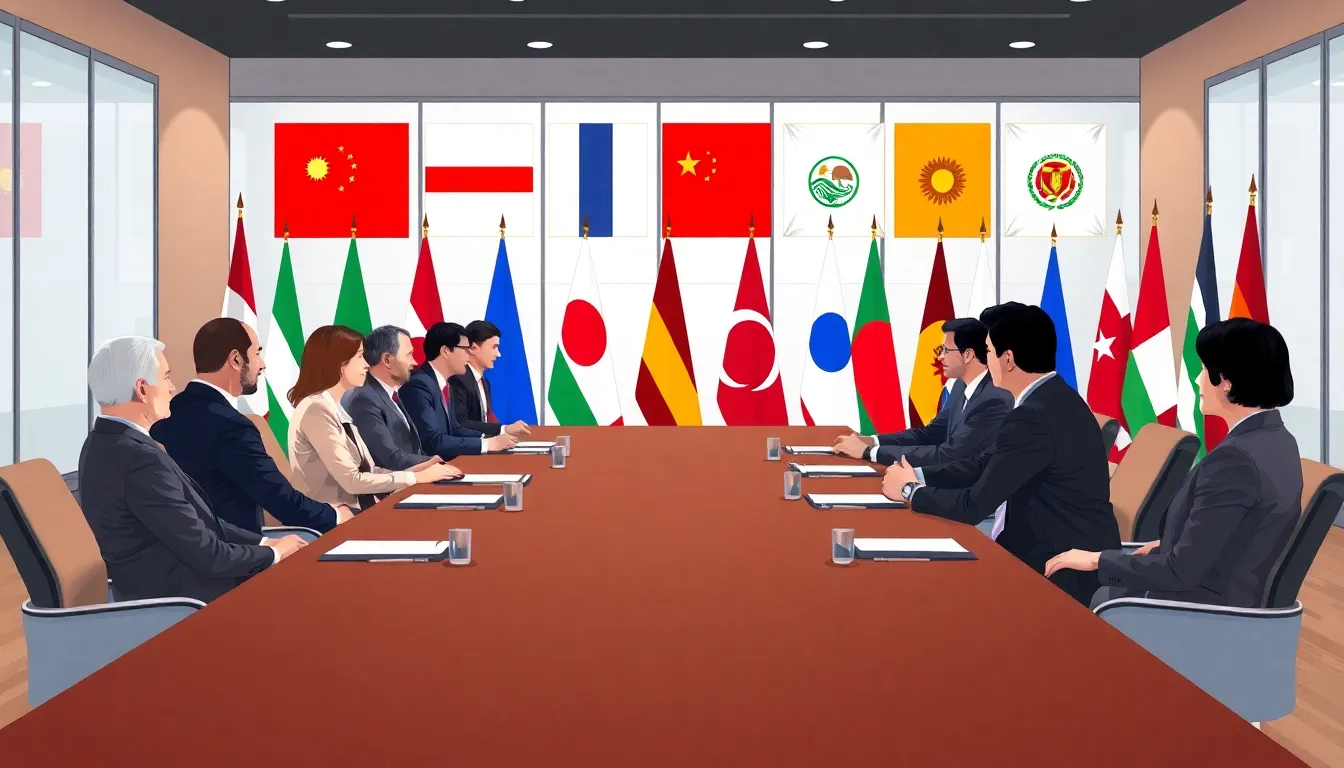
Global affairs consist of multiple integral elements that shape the dynamics between countries. These components play a pivotal role in addressing collective challenges and fostering cooperation on the international stage.
International Relations
International relations encompass the political interactions between nation-states. Diplomacy serves as a primary tool, allowing countries to negotiate treaties and resolve conflicts. The balance of power influences these interactions, as countries strive to maintain their sovereignty while navigating complex geopolitical landscapes. Key players include not only national governments but also non-state actors like multinational corporations and non-governmental organizations. Current examples include relations between the United States and China, which highlight economic competition and strategic rivalry, ultimately shaping global alliances and tensions.
Global Governance
Global governance refers to the frameworks and institutions that regulate international affairs. The United Nations and the World Trade Organization are crucial bodies that facilitate cooperation on issues ranging from security to trade. These institutions provide platforms for dialogue and consensus-building among member states. They address global challenges, such as climate change, through agreements that require collective action, like the Paris Agreement. Effective global governance fosters stability and promotes collaborative solutions, allowing nations to address cross-border issues while respecting sovereignty.
Transnational Issues
Transnational issues transcend national borders and require collaborative solutions. Climate change, public health crises, and terrorism exemplify challenges that affect multiple nations simultaneously. They call for coordinated responses to effectively mitigate impacts. For instance, the COVID-19 pandemic highlighted the necessity for shared health strategies and vaccine distribution among countries. Additionally, refugee crises necessitate solidarity among nations to manage humanitarian responses effectively. Addressing these issues demands enhanced cooperation and innovative solutions that account for the interconnectedness of global society.
The Importance of Global Affairs
Global affairs significantly shape political, economic, social, and environmental landscapes worldwide. By understanding these dynamics, individuals gain insight into the forces affecting their daily lives.
Economic Impacts
Economic impacts of global affairs extend beyond national borders, influencing trade, investment, and employment. Trade agreements, such as the North American Free Trade Agreement, directly affect markets, altering supply chains and pricing. Economic competition between countries, particularly between the U.S. and China, showcases how tariffs and trade wars create ripple effects across industries. Understanding these impacts leads to informed consumer choices and better preparedness for shifts in the job market. Fluctuations in the global economy can determine the health of local economies, underscoring the interconnectedness of international trade and domestic policies.
Social and Cultural Influences
Social and cultural influences emerge as countries interact on multiple levels, creating a tapestry of global culture. Globalization facilitates the exchange of ideas, traditions, and values, enriching societies while posing challenges to cultural identities. International migration patterns affect social structures, leading to diverse communities that enhance cultural appreciation and understanding. Events like the Olympics or global music festivals highlight unity and shared experiences across nations, strengthening interpersonal connections. Recognizing these social and cultural interactions fosters empathy and promotes dialogue, essential in navigating today’s complex world.
Career Opportunities in Global Affairs
Global affairs offer numerous career paths that are essential for addressing international challenges. Various educational backgrounds prepare individuals for impactful roles in this field.
Educational Paths
Several degrees align with careers in global affairs. International relations, political science, and economics provide foundational knowledge. Specialized programs in global governance and international development equip students with unique insights. Advanced degrees, such as master’s programs in international affairs, enhance analytical skills and strategic thinking. Certifications in diplomacy or conflict resolution further distinguish candidates in the job market.
Professional Roles
Diverse professional roles exist within global affairs. Diplomats represent their countries and engage in negotiation processes. Policy analysts evaluate international issues and recommend solutions. Non-profit organizations often seek program managers to implement projects addressing global challenges. Business roles in multinational corporations require experts in international trade and compliance. Moreover, educators and researchers contribute significantly by analyzing trends and shaping public discourse on global issues.
Global affairs shape the world in profound ways. As nations navigate complex relationships and pressing challenges, understanding these dynamics becomes essential. Awareness of political, economic, and social interactions empowers individuals to engage thoughtfully with global issues.
The interplay of trade agreements, environmental initiatives, and cultural exchanges illustrates the interconnectedness of today’s societies. By recognizing the significance of global affairs, individuals can contribute to informed discussions and foster cooperation across borders.
Ultimately, a deeper comprehension of these matters not only enriches personal perspectives but also prepares one for potential careers in this vital field. Engaging with global affairs is not just an academic pursuit; it’s a necessary step toward a more informed and responsible global citizenry.


