
Table of Contents
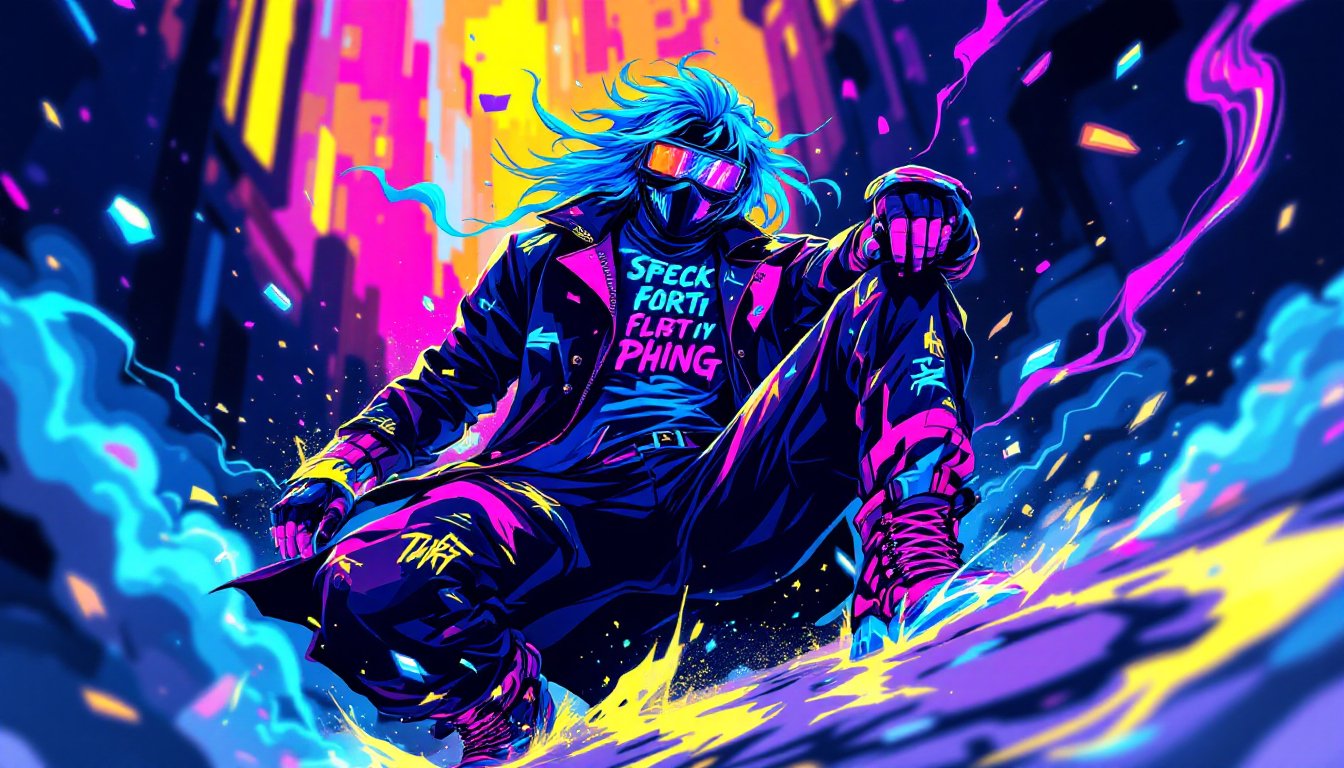
ToggleIn a world where memes reign supreme and TikTok dances can launch a career, pop culture has become the ultimate playground for creativity. Enter the realm of pop culture DTI, or “Draw This In Your Style,” where artists take beloved characters and put their unique spin on them. It’s like a remix for the art world—everyone’s invited to join the fun and showcase their flair.
Overview of Pop Culture DTI
Pop culture DTI, known as “Draw This In Your Style,” showcases artists’ interpretations of beloved characters. Artists transform iconic figures from various media into unique representations that reflect personal styles. This movement fosters creativity and encourages collaboration within artistic communities. Participants share their renditions on social media platforms, utilizing hashtags to enhance visibility.
Competitions often emerge from this phenomenon, engaging a wide audience. Artists may reinterpret famous characters from films, video games, or comics, showcasing diverse techniques. Each reinterpretation often highlights different aspects of a character, like personality traits or visual styles, contributing to a rich tapestry of creativity.
Contemporary trends reveal a playful approach to art. The DTI format invites artists from all backgrounds to join, democratizing the creative process. It exemplifies a collective experience, bridging the gap between fans and artists. Artists often highlight their influences or integrate personal narratives, deepening the connection with audiences.
Social media serves as a primary catalyst for this trend, amplifying reach and engagement. Communities form around shared interests, where participants offer support and feedback. This dialogue enhances creativity, inspiring others to explore new techniques or styles.
In essence, pop culture DTI emphasizes individual expression while celebrating collective creativity. By facilitating an inclusive environment, it encourages artists to explore and express their interpretations.
Historical Context
Pop culture DTI, or “Draw This In Your Style,” finds its roots in a blend of artistic creativity and community engagement. This trend invites artists to reinterpret notable characters, allowing them to express individuality while drawing inspiration from popular media.
Origins of DTI in Pop Culture
DTI originated from online art communities in the early 2010s. Various platforms encouraged artists to showcase their work, prompting the birth of collaborative drawing challenges. Artists often started sharing their reinterpretations of well-known figures from games, movies, and comics. The movement thrived on hashtags and social media, fostering a sense of belonging among participants. Through this format, artists connected with fans while embracing their unique styles, enhancing visibility across platforms.
Evolution Over the Years
Over the years, the DTI phenomenon has significantly transformed. Initially, it focused on character reinterpretation but gradually expanded to include original themes and styles. New challenges emerged, incorporating diverse techniques and media, reflecting shifts in artistic practices. Social media’s influence also intensified, connecting artists with a broader audience and facilitating collaborative events. Trends evolved as participants began to highlight their personal narratives, creating a richer experience that blended art and storytelling. As a result, DTI remains a dynamic force within the art community, promoting inclusivity and collective creativity.
Impact on Society
Pop culture DTI significantly shapes societal conversations around creativity and expression. Artists showcase their unique interpretations, influencing audience engagement with both traditional and digital art forms.
Influence on Trends and Fads
Trends rapidly emerge from the DTI phenomenon. Online platforms often ignite viral challenges, prompting artists to reinterpret popular characters in fresh ways. Memorable renditions inspire others to experiment, further fueling creativity in art communities. Social media amplifies these trends, allowing viral content to reach global audiences. Participants engage in real-time discussions, creating a lively dialogue that adapts to cultural shifts. As a result, DTI trends regularly redefine artistic boundaries, making them a staple in contemporary art movements.
Representation in Media
DTI encourages diverse representation across various media. Artists showcase underrepresented characters and themes, reflecting a broader spectrum of identities. This inclusion fosters awareness of different cultures, encouraging dialogue among diverse audiences. The reinterpretations celebrate individuality while honoring iconic figures. Contributions from various backgrounds enrich the narrative landscape, pushing fans to explore familiar stories through new lenses. As DTI grows, it continues to challenge normative representations, inviting artists to share profound personal stories within popular culture.
Key Figures and Contributions
Pop culture DTI showcases remarkable talent and significant events that shape its landscape. Key contributors play an essential role in this artistic movement.
Notable Artists and Creators
Renowned artists like Loish and Komarck have gained fame for their unique takes on popular characters. Each artist brings distinctive styles that resonate with diverse audiences. Their reinterpretations demonstrate a blend of creativity and technical skill. As a result, many emerging artists look to these figures for inspiration. Collaborations among artists also enhance the spirit of the DTI community, reinforcing bonds and encouraging wider participation.
Major Events and Milestones
Annual events such as “Draw This In Your Style Day” highlight the growth of DTI. This significant event draws participation from thousands of artists worldwide. Monthly challenges often emerge on platforms like Instagram and Twitter, promoting fresh interpretations. Noteworthy milestones include viral challenges that trend rapidly, extending DTI’s reach to new audiences. The success of these events reflects the community’s vitality and the evolving nature of artistic expression in contemporary culture.
Critiques and Controversies
Pop culture DTI faces several critiques, particularly regarding artistic integrity and originality.
Common Criticisms
Critics argue that DTI often leads to derivative art, where artists rely heavily on existing styles and characters instead of developing original concepts. This dependency can dilute the unique voice of individual creators. Some believe that trends overshadow genuine artistic exploration, as artists may prioritize popularity over creativity. The repetitive nature of DTI may reduce its appeal over time. Others question the sustainability of the movement, fearing it promotes a cycle of imitation rather than innovation. Community feedback often varies; while some celebrate reinterpretation, others lament the potential loss of distinct styles in favor of conformity.
Cultural Appropriation Issues
Cultural appropriation remains a significant concern within the DTI community. Artists sometimes draw inspiration from cultures outside their own, leading to debates over authenticity and respect. Misrepresentation of cultural elements can occur when artists lack understanding of the source materials, resulting in stereotypes or inaccuracies. Perspectives on appropriation vary widely; some view it as a celebration of diversity, while others see it as exploitative. Engaging with different cultures requires sensitivity and awareness. To avoid criticism, artists must prioritize respectful representation and avoid commodifying cultural motifs without proper context. Acknowledging sources appropriately fosters greater appreciation and understanding within the artistic dialogue.
Pop culture DTI stands as a vibrant testament to the creativity thriving within contemporary artistic communities. It invites artists to engage with beloved characters in fresh and personal ways while fostering collaboration and dialogue across diverse audiences. As this phenomenon evolves it continues to challenge traditional artistic boundaries and encourages deeper exploration of cultural narratives.
With each reinterpretation artists not only celebrate iconic figures but also share their unique stories, enriching the collective experience. The balance between individual expression and cultural sensitivity remains crucial as the DTI movement progresses. Ultimately, pop culture DTI embodies a dynamic interplay of creativity and connection that resonates with both artists and fans alike.


