
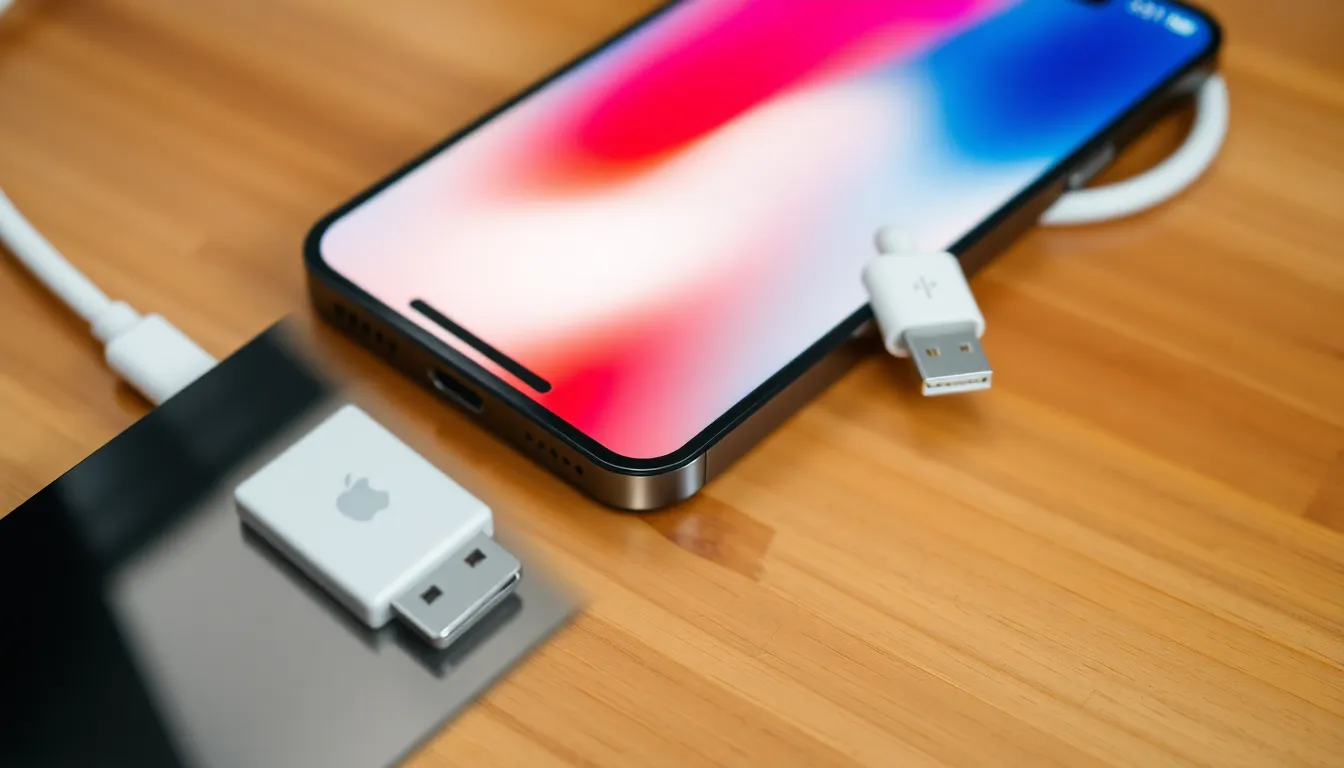

The iPhone 14 has sparked quite the buzz, leaving tech enthusiasts and casual users alike wondering if it’s finally time to say goodbye to the lightning cable. With USB-C becoming the universal standard for charging and data transfer, many are itching to know if Apple has jumped on the bandwagon or if they’re sticking to their old ways.
Overview of iPhone 14 Features
The iPhone 14 boasts several advanced features that enhance user experience. This model includes improved camera capabilities, offering better low-light performance and enhanced stabilization. Display quality impresses many, with a Super Retina XDR display that provides vibrant colors and sharp resolution.
Battery life stands out as a significant upgrade, allowing for longer usage between charges. Additionally, it supports fast charging, so users can quickly recharge their devices. Enhanced security features like Face ID ensure user privacy remains a top priority.
Compatibility with the latest iOS offers seamless integration with other Apple services. It includes features like Focus mode, which helps users minimize distractions. The device comes with various storage options, catering to different user needs.
Connectivity options consist of 5G support, enabling faster download and streaming speeds. Strong Wi-Fi capabilities further enhance browsing and online activities. Many appreciate the overall build quality, with durable materials designed to withstand everyday use.
While speculation exists regarding the shift to USB-C, the iPhone 14 continues to utilize the traditional Lightning port for charging and data transfer. This decision reflects Apple’s ongoing commitment to its existing ecosystem. Users can expect accessories and compatibility with a wide range of Lightning-enabled devices.
Color choices expand, providing users with multiple options, including Midnight, Starlight, and product-specific shades. Overall, the iPhone 14 aligns with current technological trends while maintaining Apple’s distinctive style and functionality.
USB-C vs. Lightning Connectors
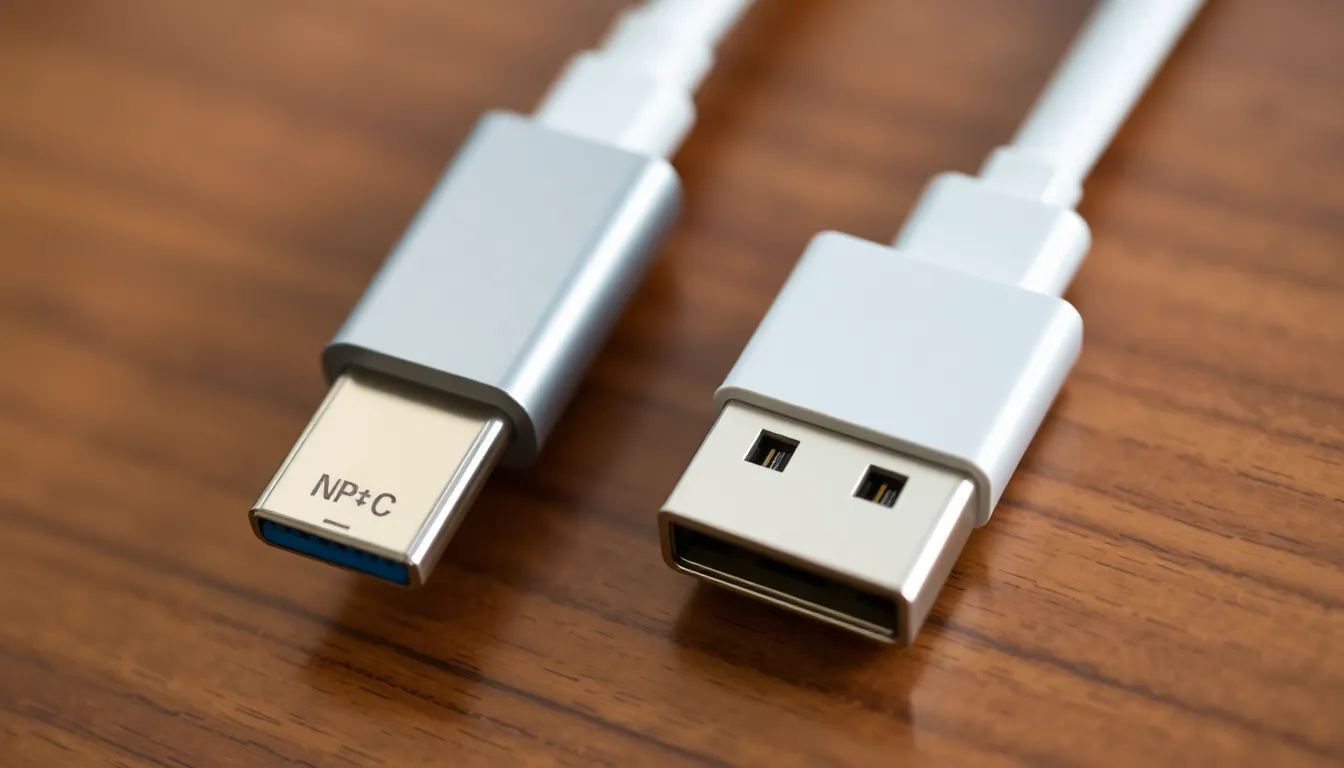
The discussion around USB-C versus Lightning connectors centers on functionality and convenience. Apple initially introduced the Lightning connector in 2012 as a slimmer alternative to its 30-pin predecessor, enabling users to charge devices and transfer data with ease. Over the years, Lightning gained extensive support within Apple’s ecosystem, powering a plethora of accessories and devices.
Historical Context
Apple’s Lightning connector revolutionized charging and data transfer for many years. Designed to be reversible, it enhanced user experience significantly. In contrast, USB-C emerged a few years later, offering faster data transfer speeds and the ability to deliver higher power levels. While Apple’s Lightning connectors remained the staple for iPhones, many other devices adopted USB-C, leading to broader industry adoption. The shift toward USB-C reflects growing demands for uniformity across devices and compatibility among different brands.
Benefits of USB-C
USB-C offers several advantages that appeal to both users and manufacturers. A primary benefit includes its universality, allowing a single cable to connect various devices, from laptops to smartphones. Enhanced data transfer rates are another highlight, with speeds reaching up to 40 Gbps, facilitating quicker file transfers. Additionally, USB-C supports higher power delivery, charging devices more rapidly than Lightning. These features make USB-C ideal for users who prioritize versatility and efficiency in their technology.
Does The iPhone 14 Use USB-C?
The iPhone 14 continues to utilize Apple’s traditional Lightning port, not adopting USB-C. Speculation regarding a potential switch remains widespread among users and tech enthusiasts.
Official Statements from Apple
Apple has not announced any plans to transition to USB-C for the iPhone 14. The company maintains its commitment to the Lightning connector, ensuring compatibility with existing accessories and devices. This decision aligns with Apple’s focus on creating a seamless user experience within its ecosystem.
Comparisons with Previous Models
The iPhone 14 retains the Lightning port, just as its predecessors did. This choice reflects Apple’s longstanding strategy, keeping accessories consistent across different iPhone models. Compared to models like the iPhone 13 and iPhone 12, the Lightning port continues to offer familiar functionality. Users can expect the same charging and data transfer experience as before, despite USB-C’s rising popularity across other devices.
User Reactions and Opinions
Users express mixed feelings about Apple’s decision regarding the iPhone 14’s connectivity. Many individuals anticipated a shift to USB-C due to its growing prevalence across devices.
Community Feedback
Community conversations reveal excitement among tech enthusiasts over the potential advantages of USB-C. Users appreciate faster charging capabilities and universal compatibility that USB-C offers. Casual users often voice frustration about sticking with the Lightning port. Concerns arise from the need for multiple cables and accessories. Users hope future models will consider adopting the standard, enhancing overall convenience. Although some supporters praise Apple’s design consistency, others openly question the decision against USB-C. Enthusiasm exists for innovations, but users feel somewhat disappointed by maintaining the status quo.
Impact on Accessories
The choice to retain the Lightning port directly influences accessory usability. Many existing accessories remain functional, which delights loyal Apple customers. However, an expanding number of users now own devices using USB-C and seek universal solutions. Adaptors have gained popularity as they allow compatibility between different cables. Still, some users experience inconvenience from needing separate adaptors for various devices. The maintenance of the Lightning port highlights Apple’s commitment to its ecosystem, yet it raises questions about just how future accessories might evolve. Industry analysts suggest that if future iPhone models transition to USB-C, accessory manufacturers will adapt swiftly to this change in standards.
The iPhone 14’s retention of the Lightning port underscores Apple’s commitment to its established ecosystem. While many users hoped for a transition to USB-C for its advantages in speed and compatibility, the decision reflects a balance between innovation and consistency.
As the debate continues, users will need to navigate the landscape of accessories and charging solutions. The iPhone 14 remains a powerful device with impressive features, but the choice of connector highlights the ongoing evolution of technology and user preferences.
As future models are anticipated, the conversation around USB-C and Lightning will likely persist, shaping the expectations of both tech enthusiasts and everyday users.


