


Imagine walking into your home and having it greet you like an old friend. Smart home design isn’t just a trend; it’s the future of living. With technology that thinks for you, your home can now adjust the lights, play your favorite tunes, and even brew your coffee—all before you’ve had your morning dose of caffeine. It’s like having a personal assistant who never asks for a raise.
But smart home design isn’t just about convenience; it’s about creating a space that reflects your personality while maximizing efficiency. From energy-saving devices to sleek aesthetic choices, the right design can turn a simple house into a cutting-edge haven. So, whether you’re a tech enthusiast or just someone who wants to avoid stepping on a Lego in the dark, embracing smart home design could be the key to unlocking a lifestyle that’s both fun and functional.
Overview of Smart Home Design
Smart home design encompasses the integration of advanced technology into living spaces to enhance convenience and efficiency. Automation systems allow users to control various features, including lighting, climate, and security, all from a single device. With the rise in popularity of smart homes, energy management has become a key focus, leading to devices that reduce consumption while maintaining comfort.
Technologies such as voice-activated assistants streamline daily tasks. These devices can respond to verbal commands, making routine activities easier for users. Security systems have also evolved, incorporating smart cameras and alarms that provide real-time monitoring and notifications.
Design aesthetics play a crucial role in smart homes. Stylish devices can blend seamlessly into any interior, maintaining the home’s decor while offering advanced functionality. Customization options allow individuals to tailor systems to their specific needs, creating personalized environments that reflect their lifestyles.
In addition to convenience, smart designs promote sustainable living. Energy-efficient appliances minimize waste and reduce utility costs. Smart thermostats, for example, learn users’ habits and optimize energy use accordingly.
The importance of user-friendly interfaces cannot be overstated. Intuitive controls enhance the overall user experience, ensuring that even those unfamiliar with technology can enjoy the benefits of a smart home. As innovation continues to advance, the possibilities for enhancing home life through smart technology are limitless.
Key Elements of Smart Home Design
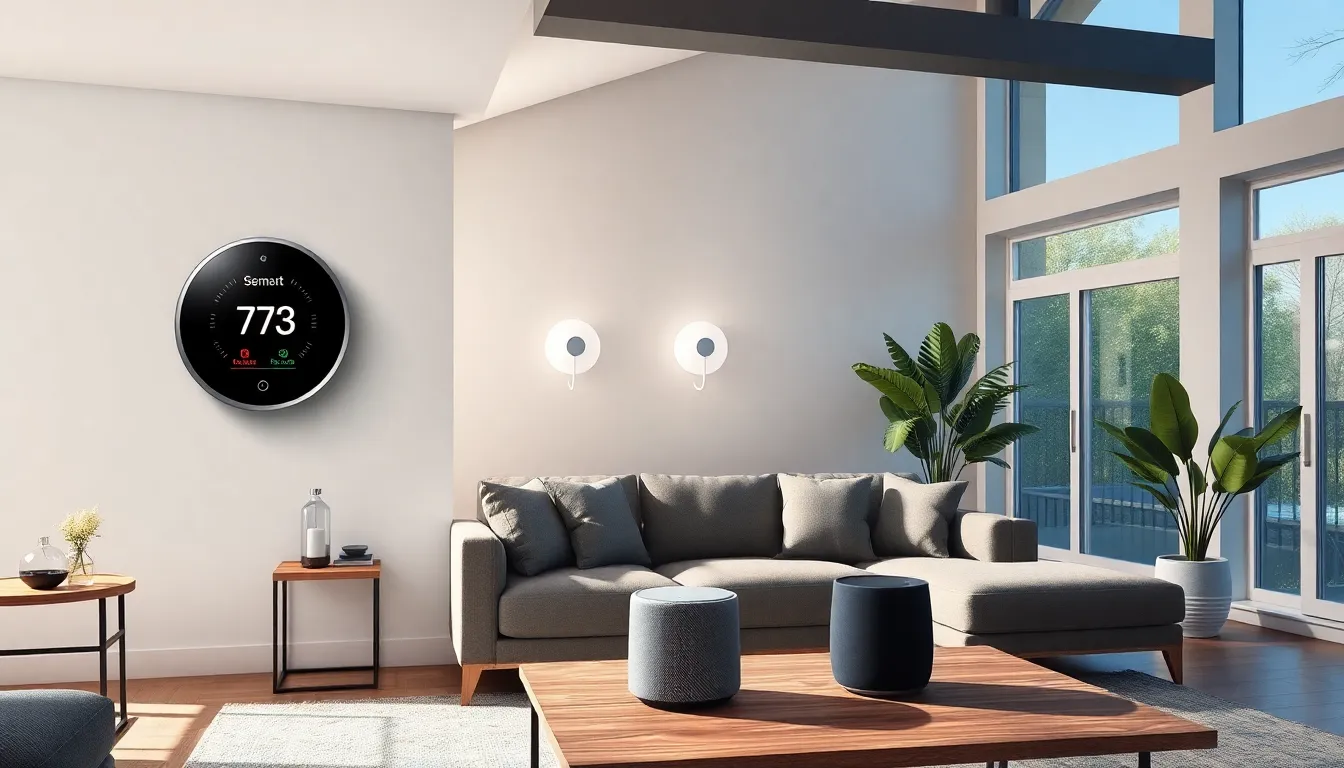
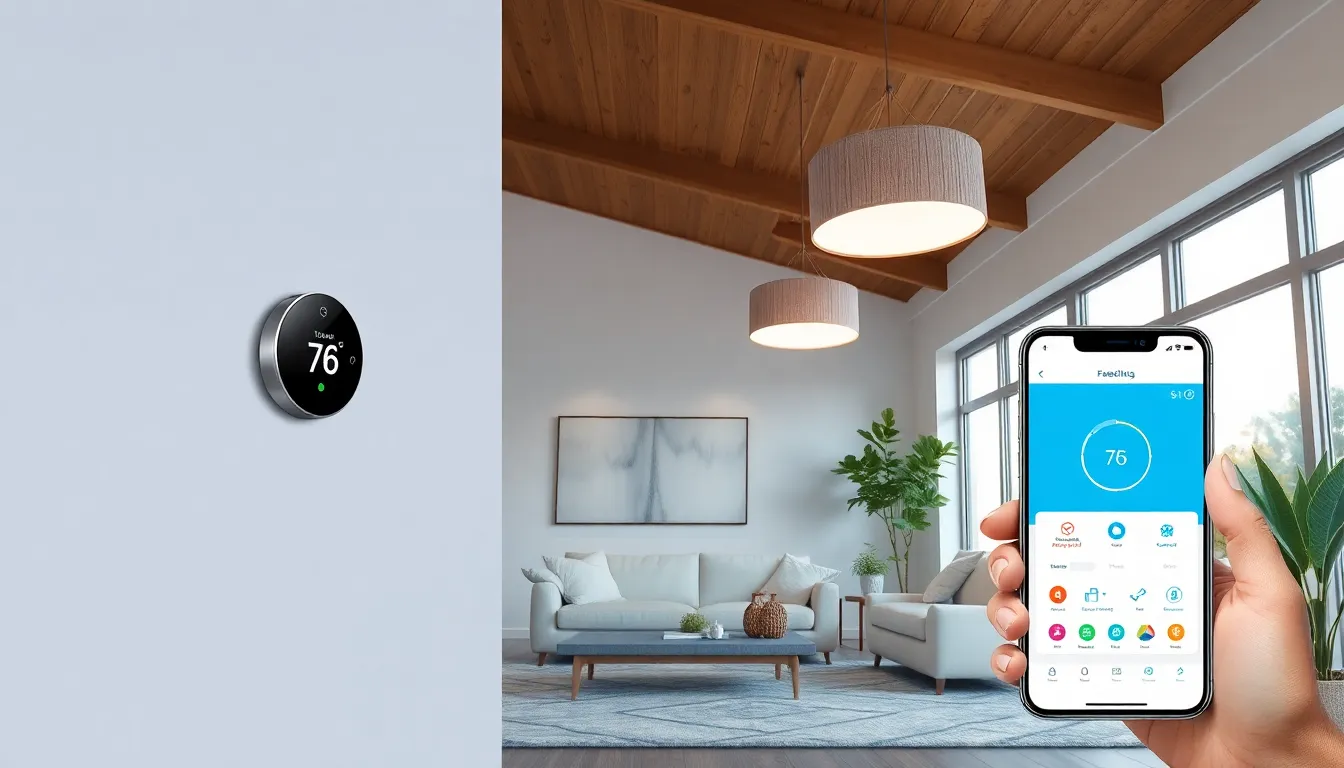
Smart home design integrates various technologies to enhance daily living. Key components involve automation, security, and energy efficiency.
Home Automation Technologies
Home automation technologies streamline control over various devices. Smart lighting systems enable users to adjust brightness and color via smartphones. Climate control options provide users the ability to set temperatures remotely, creating comfort before arrival. Voice-activated assistants further enhance user experience by allowing hands-free management of tasks. Automated systems can schedule routines, so lights turn off or on at specific times. Users benefit from centralized control, managing multiple devices with ease.
Smart Security Systems
Smart security systems offer enhanced safety through advanced technology. These systems include motion detectors, cameras, and smart locks that users can monitor remotely. Real-time notifications alert homeowners about unusual activity, improving response times. Integration with smartphones allows for easy access to security feeds, ensuring peace of mind. Additionally, some security systems feature smart alarms that can deter intruders by sounding alerts. Overall, these systems enhance security while providing convenience and control.
Energy Efficiency Solutions
Energy efficiency solutions play a vital role in smart home design. Smart thermostats automatically adjust heating and cooling based on occupancy, reducing energy waste. Energy monitoring devices track consumption patterns, enabling users to identify ways to conserve power. LED lighting solutions consume less energy and have longer lifespans than traditional bulbs. Furthermore, energy-efficient appliances help lower utility bills while maintaining performance. Transitioning to these solutions promotes sustainability and encourages responsible energy consumption within homes.
Benefits of Smart Home Design
Smart home design offers numerous advantages, enhancing the quality of life for its users. The integration of technology simplifies home management, providing more than just convenience.
Convenience and Comfort
A smart home allows for seamless control over various devices. Homeowners can effortlessly adjust lighting or temperature with a voice command or smartphone app. Automating daily tasks frees up time, allowing individuals to focus on what truly matters. Additionally, smart appliances enhance comfort by maintaining optimal conditions throughout the day and night. Customizable settings empower residents to create environments that suit their lifestyles.
Enhanced Security Features
Smart home security systems provide increased safety through advanced technology. Equipped with motion detectors and real-time alerts, these systems monitor homes continuously. Users can access live surveillance feeds remotely, ensuring peace of mind while away. Integration with smart door locks offers secure entry, eliminating the need for traditional keys. Notifications inform homeowners of any suspicious activity, proactively preventing potential threats.
Cost Savings
Smart home technology can lead to substantial cost savings over time. Energy-efficient devices like smart thermostats automatically adjust settings based on user behavior, reducing utility bills. Monitoring energy consumption helps identify inefficiencies, promoting sustainable practices. Furthermore, many insurance companies offer discounts for homes with smart security systems, lowering overall coverage costs. Investing in smart technology often results in significant long-term savings while enhancing overall home functionality.
Challenges in Smart Home Design
Smart home design faces several challenges that can impede its effectiveness and user acceptance. Addressing these issues is essential for optimizing smart living spaces.
Compatibility Issues
Compatibility between devices poses a significant challenge in smart home design. Various manufacturers develop devices using different communication protocols, complicating integration. Homeowners often encounter difficulties connecting devices from multiple brands. These issues can result in frustration when attempting to maintain a cohesive smart ecosystem. Standardization of protocols could enhance compatibility and encourage smoother operation among devices. Consumers often benefit from universal systems that integrate various products seamlessly, reducing complexity in smart home setups.
Privacy and Security Concerns
Privacy and security concerns emerge as critical challenges for smart home users. Many devices collect vast amounts of personal data, increasing the risk of breaches and unauthorized access. Security vulnerabilities in smart devices may expose sensitive information, creating apprehension among users. Manufacturers must prioritize robust encryption methods and regular software updates to enhance device security. Awareness of these risks has led many consumers to hesitate before adopting smart home technologies. Implementing transparent data usage policies could help alleviate privacy concerns and build trust among users, fostering broader acceptance of smart home solutions.
Future Trends in Smart Home Design
Emerging technologies shape the future of smart home design, promising increased convenience and efficiency. A notable trend includes the integration of artificial intelligence into home systems. AI enhances personalization, allowing devices to learn user preferences and optimize settings accordingly.
The Internet of Things (IoT) continues to expand, letting various devices communicate seamlessly. Homeowners can expect enhanced interoperability between appliances, lighting, and security systems. Such connectivity ensures that everything functions cohesively as one interconnected unit.
Sustainability emerges as a crucial focus in smart home innovations. Energy-efficient technologies reduce consumption and promote green living. Devices like smart thermostats and energy monitoring systems gain traction, helping homeowners track and manage energy use effectively.
Voice-activated technology reshapes user interaction with smart homes. Users command their systems through simple voice prompts, making it easier to control multiple functions simultaneously. This hands-free approach streamlines everyday tasks.
Enhanced security features showcase a growing commitment to safety. Advanced surveillance cameras with facial recognition provide real-time alerts, ensuring constant monitoring. As homeowners seek peace of mind, these systems become increasingly appealing.
Customization options flourish. Homeowners now tailor their environments using an array of choices. From color schemes to device configurations, personalization reflects individual styles and preferences.
Lastly, wake word technology simplifies interactions. Devices respond instantly to chosen phrases, enhancing user experience. As these trends gain momentum, the future of smart home design looks promising, enabling smarter and more efficient living spaces.


