


In the wild, untamed world of Westerns, few films stand out like True Grit from 1969. With a blend of grit, humor, and unforgettable characters, this classic showcases John Wayne in one of his most iconic roles as Rooster Cogburn, a grizzled U.S. Marshal with a knack for whiskey and a heart of gold—at least, under all that rugged exterior.
As the story unfolds, viewers are treated to a thrilling quest for justice led by a determined young girl, Mattie Ross, who proves that age is just a number when it comes to seeking vengeance. Packed with sharp dialogue and stunning cinematography, True Grit isn’t just a film; it’s a wild ride that leaves audiences both laughing and cheering. So saddle up and get ready to dive into a cinematic adventure that proves true grit is timeless.
Overview of True Grit (1969 Full Movie)
“True Grit” (1969) stands out as a classic Western film directed by Henry Hathaway. This cinematic masterpiece features John Wayne, who portrays the legendary U.S. Marshal Rooster Cogburn. His character embodies ruggedness and resilience. Audiences experience his multifaceted nature, revealing a protective side toward young Mattie Ross.
The storyline follows 14-year-old Mattie, played by Kim Darby, as she seeks justice for her father’s murder. In pursuit of revenge, she hires Cogburn to track down her father’s killer, Tom Chaney. Each character contributes to the gripping narrative, with Chaney portrayed by Jeff Corey, highlighting themes of justice and courage.
Noteworthy elements of the film include its sharp dialogue. The collaboration of Wayne and Darby creates memorable interactions that deepen the story. Cinematography captures the essence of the American frontier, emphasizing both the beauty and brutality of the Wild West.
True Grit gained recognition for its authenticity, blending humor with intense moments. Critics praised Wayne’s performance, earning him an Academy Award for Best Actor. The film’s success propelled it into western film history, leaving a lasting impact on the genre.
Through its compelling characters and engaging plot, “True Grit” continues to resonate with audiences today. The combination of action and emotional depth anchors the film’s enduring appeal. Elements of revenge and determination shape the narrative, showcasing the spirit of true grit.
Main Characters
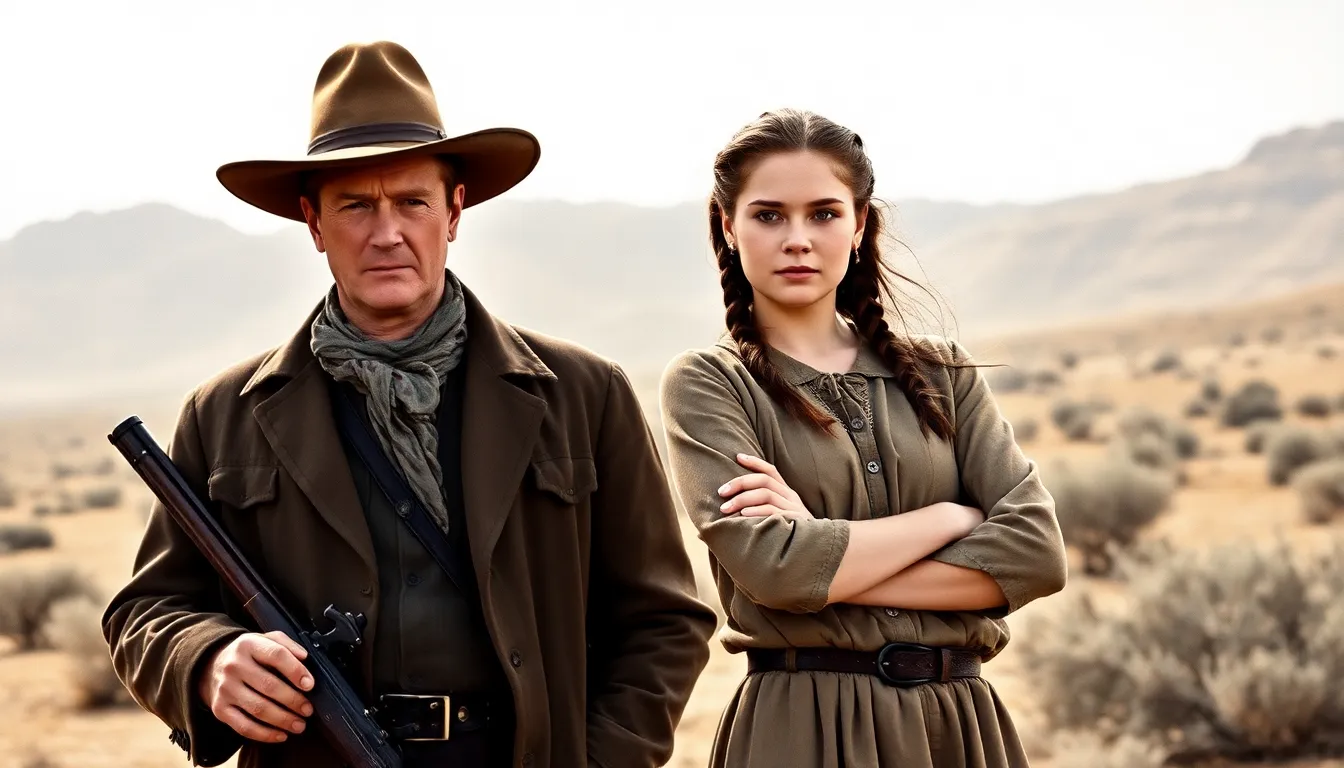
“True Grit” features memorable characters that drive the narrative forward and embody the film’s themes of determination and vengeance.
Rooster Cogburn
Rooster Cogburn, portrayed by John Wayne, epitomizes the archetype of the hard-boiled lawman. This U.S. Marshal navigates through the lawlessness of the Old West with a rugged demeanor. Exhibiting roughness and a relentless pursuit of justice, Rooster also reveals a softer side through his interactions with Mattie. His willingness to help a young girl seek vengeance highlights his hidden heart of gold. Rooster’s tactics, combined with his sharp wit, provide both intensity and humor. Audiences appreciate his portrayal, which showcases the complexity of a man driven by both past traumas and a strong sense of duty.
Mattie Ross
Mattie Ross, played by Kim Darby, stands out as a determined and resourceful young girl. At just 14, she exhibits resilience that traverses age and gender stereotypes. The loss of her father ignites her quest for vengeance against Tom Chaney, his murderer. Mattie’s unwavering resolve leads her to hire Rooster, demonstrating her fierce independence. Intelligent and articulate, she navigates the challenges of the frontier with precision. Her dynamic interactions with Rooster create a powerful bond, making her one of the film’s standout characters. Mattie’s pursuit of justice captures the essence of true grit, emphasizing that courage transcends youth.
La Boeuf
La Boeuf, expertly brought to life by Glen Campbell, adds an intriguing layer to the story. This Texas Ranger engages with Rooster and Mattie in pursuit of Chaney, blending various motivations within the narrative. Initially, La Boeuf appears self-serving, driven by his own agenda, yet he evolves through the film. His sharpshooting skills and wit provide both support and rivalry, contributing to the story’s tension. The relationship between La Boeuf and Mattie introduces humor, highlighting their contrasting personalities as they navigate danger together. This character’s journey reinforces themes of bravery and redemption, enhancing the film’s multifaceted portrayal of justice.
Plot Summary
“True Grit” centers on the journey of Mattie Ross, a determined 14-year-old girl seeking vengeance for her father’s murder. Her father, a rancher, falls victim to Tom Chaney, a ruthless criminal portrayed by Jeff Corey. Mattie, driven by her quest for justice, hires U.S. Marshal Rooster Cogburn, played by John Wayne, to track down Chaney. Cogburn is known for his tough exterior and willingness to use lethal force, earning him respect and fear.
An unexpected partnership forms between Mattie and Cogburn, highlighting the strength of their resolve. Their dynamic evolves as they navigate rugged terrain and face various challenges, showcasing her fierce independence and his reluctant mentorship. They are joined by La Boeuf, played by Glen Campbell, a Texas Ranger with his own agenda. Although initially self-serving, La Boeuf adds a complex layer to the story as he develops respect for Mattie’s determination.
Themes of revenge, courage, and morality permeate the film. As the trio encounters danger, the story emphasizes that age does not dictate one’s capacity for grit. The film’s dramatic tension builds throughout, culminating in confrontations that challenge the characters’ motivations and values. The cinematography brilliantly captures the American frontier’s harsh landscapes and rugged beauty, further enriching the narrative.
Through sharp dialogue and memorable interactions, “True Grit” portrays the essence of perseverance. Mattie’s journey embodies the struggle for justice, while Cogburn’s character contrasts toughness with vulnerability. This compelling mix of characters and storyline ensures that “True Grit” remains influential in the western film genre.
Cinematic Techniques
“True Grit” employs various cinematic techniques to enhance storytelling.
Cinematography
Cinematographer Lucien Ballard captures the rugged beauty of the American West in striking detail. Wide shots showcase expansive landscapes, emphasizing the characters’ isolation and challenges. Close-ups reveal the raw emotions of Mattie, Rooster, and Chaney. Natural lighting adds authenticity, enhancing the film’s realistic portrayal of the frontier. Framing often highlights the contrast between characters, reinforcing themes of justice versus vengeance. Various camera angles create tension, especially during action sequences. Ballard’s cinematography effectively immerses viewers in this harsh yet beautiful setting.
Soundtrack
The film’s soundtrack, composed by Elmer Bernstein, complements the narrative effectively. It features a mix of orchestral arrangements that underscore the film’s emotional tone. The melody resonates during pivotal moments, elevating tension and excitement. Bernstein’s score blends seamlessly with dialogue, enhancing character interactions. Specific themes emerge for each main character, defining their journeys and struggles. Notably, the music conveys both adventure and melancholy, reflecting Mattie’s quest for justice. Overall, the soundtrack enriches the viewing experience, leaving a lasting impression on audiences.
Themes and Messages
“True Grit” explores compelling themes centered around justice and revenge. The narrative emphasizes Mattie Ross’s unwavering determination to avenge her father’s murder, highlighting her moral conviction. Rooster Cogburn’s character embodies the complexities of seeking justice, showcasing a blend of lawfulness and vigilante action. Mattie believes in pursuing what is right, relentlessly tracking down Tom Chaney. This quest is not just personal; it reflects broader societal themes about retribution and the implications of vengeance.
Courage and perseverance resonate strongly throughout the film. Mattie’s character challenges traditional gender roles, displaying immense bravery at just 14 years old. Rooster, despite his hardened exterior, showcases resilience through his actions and decisions, reinforcing that true grit often emerges in the face of adversity. Each character faces obstacles that test their limits. Their journeys illustrate that perseverance is essential in the pursuit of one’s goals, demonstrating how courage can manifest in various forms. Together, they embody a spirit of determination that defines the narrative and elevates the film’s impact.
Critical Reception
“True Grit” received significant acclaim upon its release in 1969. Reviewers highlighted John Wayne’s performance, which earned him the Academy Award for Best Actor. Critics noted the film’s unique blend of humor and grit as a refreshing take on the Western genre. The portrayal of characters, particularly Mattie Ross, resonated deeply with audiences, offering an empowering representation of determination at a young age.
Film historians recognize “True Grit” for its authentic storytelling and character development. The chemistry between Wayne and Kim Darby stood out, creating a memorable dynamic that contributed to the film’s success. Cinematic techniques, such as Lucien Ballard’s impressive cinematography, captured the American frontier’s beauty and brutality. Critics praised the use of natural lighting and varying camera angles, enhancing emotional moments throughout the narrative.
Box office success reinforced critical praise, with “True Grit” grossing over $20 million domestically. This positioned the film as a standout in the Western genre, impacting future films in terms of narrative depth and character-driven stories. The score by Elmer Bernstein complemented the action and emotional beats, further elevating the viewing experience.
Legacy discussions frequently include “True Grit” as a classic, influencing the portrayal of strong female characters and complex lawmen. Audiences continue to appreciate its themes of justice, vengeance, and moral ambiguity. Over time, the film’s status has grown, reflecting on changing societal attitudes towards gender roles and resilience in adversity.
“True Grit” remains a hallmark of classic cinema, showcasing the power of determination and the complexities of justice. The film’s characters, particularly Mattie Ross and Rooster Cogburn, embody resilience and courage, leaving a lasting impression on audiences. Its unique blend of humor and grit, along with stunning cinematography, elevates the storytelling, making it a standout in the Western genre.
The film not only entertained viewers but also challenged societal norms, particularly regarding gender roles. Its legacy continues to influence filmmakers and inspire discussions about morality and vengeance. With John Wayne’s iconic performance and the film’s authentic narrative, “True Grit” solidifies its place in film history, resonating with generations of viewers.


