
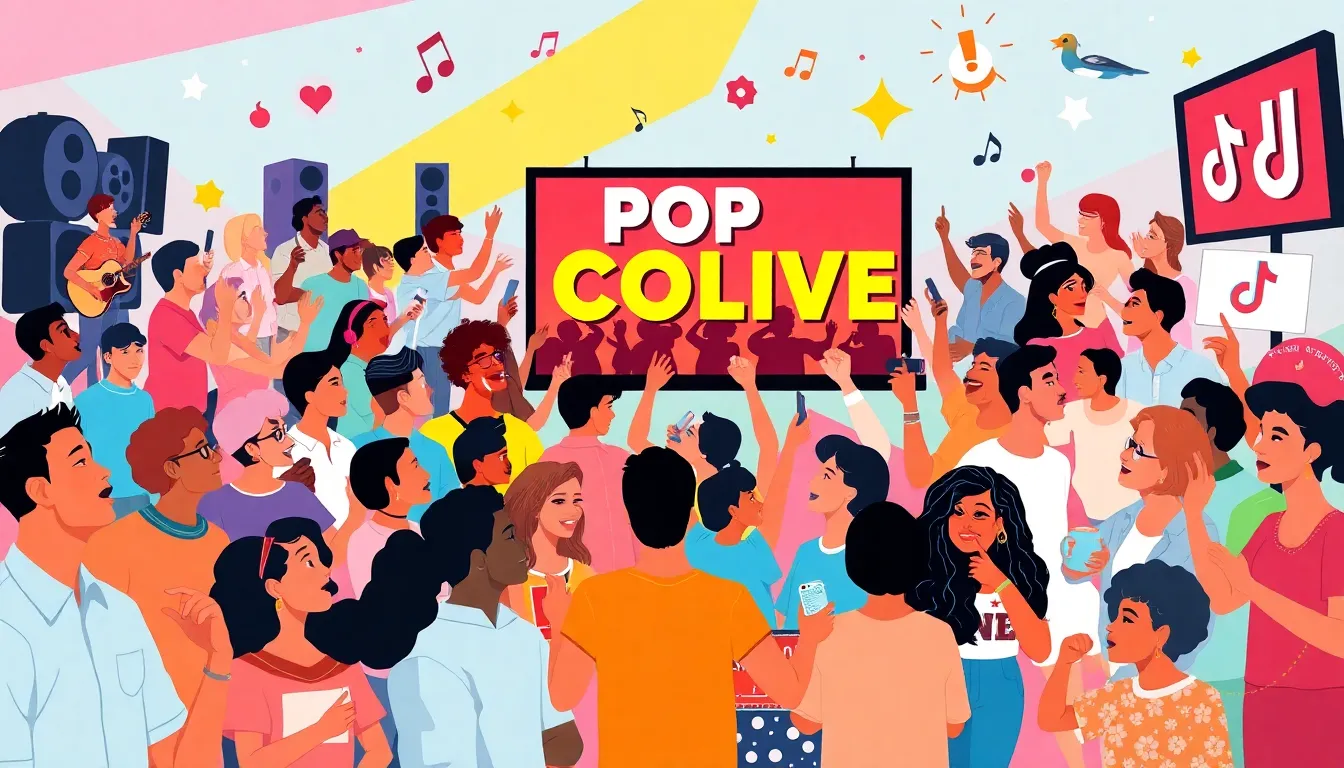

Pop culture is like the catchy song stuck in your head that you can’t help but hum along to. It’s the vibrant tapestry of trends, music, movies, and memes that shape society and reflect our collective identity. But what exactly is pop culture? It’s more than just the latest TikTok dance or blockbuster film; it’s the pulse of everyday life that unites people across different backgrounds.
What Is Pop Culture?
Pop culture encompasses contemporary trends, artistic expressions, and shared experiences reflective of society. It influences entertainment, fashion, and social interactions.
Historical Context
Pop culture traces its roots back to the 20th century, emerging alongside mass media. The rise of radio, television, and cinema played a crucial role in shaping popular culture. Through the decades, significant events, such as the countercultural movements of the 1960s, shaped societal attitudes. Post-war optimism contributed to the golden age of Hollywood, where films and music united diverse audiences. Today’s digital landscape continues this evolution, as social media platforms allow instant sharing of trends.
Key Characteristics
Several key characteristics define pop culture. One prominent feature is its accessibility, allowing widespread participation across demographics. Trends often evolve rapidly, reflecting societal changes and technological advances. The influence of celebrities and influencers shapes public opinion and lifestyle choices. Memes, a staple of internet culture, demonstrate the playful and often humorous nature of pop culture. Overall, these elements foster connections among individuals, promoting shared experiences, interests, and conversations.
Influence of Pop Culture
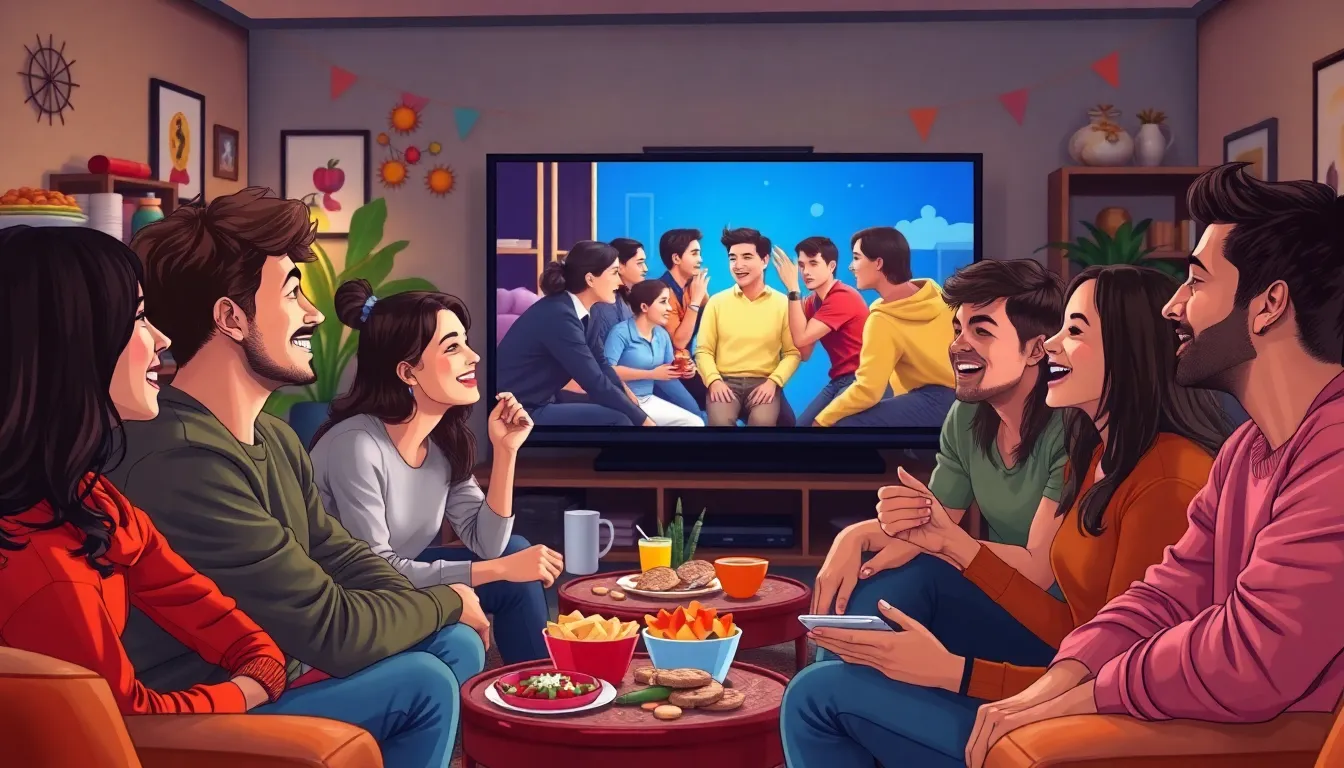
Pop culture significantly influences various aspects of modern society. It shapes daily interactions and cultural perceptions, making it a vital component of contemporary life.
Media and Entertainment
Media and entertainment serve as key platforms for disseminating pop culture. Television shows, films, and music reflect societal values, making them tools for cultural expression. Streaming services contribute to accessibility, allowing audiences to engage with diverse content. Celebrities frequently act as trendsetters, impacting how people perceive fashion, lifestyle choices, and social issues. Popular series or movies often spark discussions, creating community connections over shared interests. This continuous engagement fosters a collective cultural identity and promotes widespread dialogue.
Trends and Fads
Trends and fads continuously emerge within the pop culture landscape. Social media accelerates the spread of these phenomena, allowing them to gain traction quickly. Viral challenges and fads, such as the Ice Bucket Challenge or the rise of TikTok dances, draw massive participation from audiences. They highlight the ephemeral nature of pop culture, where today’s sensation may fade tomorrow. However, some trends signify deeper societal changes, spotlighting issues like inclusivity or mental health. Observing evolving trends offers insights into public sentiment and collective values. This dynamic nature keeps pop culture fresh and relevant in the lives of individuals.
Pop Culture Around the World
Pop culture varies significantly across regions, reflecting unique local traditions and influences.
Regional Variations
Asia showcases distinct pop culture trends, such as K-Pop in South Korea, which dominates global music charts. In Latin America, telenovelas capture audiences with dramatic storytelling. North America trends often center around Hollywood films and mainstream music artists. European pop culture blends various genres, using local languages and themes. Each region produces specific trends that resonate with its population, revealing deeper cultural connections.
Globalization of Pop Culture
Globalization continues to shape pop culture, allowing trends to spread across borders rapidly. International collaborations among artists enhance cultural exchange, creating hybrid genres. Streaming platforms enable global audiences to access diverse content easily. Social media accelerates the sharing of trends, facilitating cross-cultural dialogue. This interconnectedness fosters a shared sense of identity, despite regional differences. The influence of global icons transcends geographical boundaries, illustrating the power of pop culture to unify diverse communities.
The Evolution of Pop Culture
Pop culture has evolved significantly, reflecting changes in technology and society. Trends emerge not only from artistic expressions but also from advancements that reshape interactions.
Technological Impact
Technological advancements profoundly influence pop culture dynamics. The rise of the internet enabled instant access to diverse media, transforming how people consume entertainment. Social media platforms amplify trends, allowing viral moments to capture widespread attention. Streaming services democratize content accessibility, offering a plethora of viewing options. Innovations in communication foster connections among individuals across geographical barriers. The advent of mobile technology facilitates real-time sharing, quickly spreading trends and ideas. Consequently, technology plays a crucial role in shaping the experience of pop culture.
Social Changes
Social movements significantly impact the evolution of pop culture. Cultural shifts, such as the fight for equality and inclusivity, inspire artistic representations that reflect societal values. The increasing representation of diverse voices in media highlights the importance of authenticity. Fans often rally around causes, blending entertainment with social advocacy. These movements spark conversations, allowing individuals to engage in meaningful dialogue. The recognition of mental health issues influences narratives in popular media, promoting awareness and understanding. Overall, social changes drive the narrative and foster connections through shared experiences in the pop culture landscape.
Pop culture is a vibrant tapestry that reflects the ever-changing dynamics of society. It serves as a mirror to collective values and experiences while fostering connections among diverse groups. The influence of technology and social movements continues to shape its evolution, ensuring that pop culture remains relevant in today’s fast-paced world.
As trends emerge and fade, they often carry deeper meanings that resonate with audiences on a personal level. This interconnectedness not only highlights the power of shared experiences but also emphasizes the importance of inclusivity and representation in media. Ultimately, pop culture is more than just entertainment; it’s a vital part of the human experience that unites people across boundaries.


